Saturday, November 2, 2013

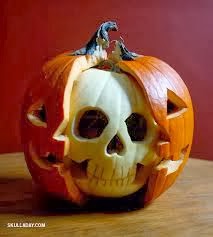
Dia de los Muertos All Souls Pumpkins


Aymara T'antawawas (Bread For The Dead)


As I have previously mentioned, Dias do los Muertos is not primarily a Mexican holiday amongst indigenous people, it is quite simply the most celebrated Native holiday of the year and it is ceremonially marked on two continents and many, many countries.  Where ever there are celebrations to and for the dead, there is one version or another of bread for the dead.  T'antawawas are the Aymaran version of this from the Andes.  They are also called "bread babies" because they are most often shaped like people, but they can also be shaped like important indigenous symbols, like ladders, or Catholic religious symbols as well. This particular recipe was first printed in Native Peoples magazine and was later put into a cookbook produced by the magazine called Body, Mind & Spirit:  Native Cooking Of The Americas authored by the magazine's food editor and her photographer Beverly Cox and Martin Jacobs.  It was later reprinted in a much large book by the same two people Spirit of the Earth:  Native Cooking From Latin America.  This recipe was adapted from a family recipe of well known Aymaran musician Jose' Montano, who lives here in the US.


T'antawawas

1 package dry yeast, or 1 tbsp. bulk yeast
1 tbsp. sugar, divided
1 cup tepid water, flavored or plain
2 cups white bread flour
1 cup quinoa flour or whole wheat flour
1 tsp. salt
1 egg, beaten
4 to 6 tbsp. tepid, melted lard or vegetable shortening, divided
1/4 tsp. annatto seeds (achiote) (optuonal)
Egg Wash:  1 egg beaten with 2 tbsp. water

1.  In a small bowl, dissolve the yeast and 1 tsp. sugar and the tepid water.  If using the annatto seeds, place them in 2 to 3 tbsp. of the melted lard or shortening and heat to color.

2.  Place the bread flour in a large mixing bowl.  When the yeast begins to bubble, make a well in the center of the flour and pour in the yeast.  Gradually mix the flour into the yeast until well combined.  Cover with a clean, slightly damp cloth, set in a warm place and let rise for two hours.

3.  Punch the dough  and add the quinoa flour or whole wheat flour, the remaining sugar, salt the beaten egg and 4 tbsp. or the lard or shortening, if dry gradually add more tepid water, 1 tbsp. at a time, until the dough is smooth.  Knead the dough until it becomes elastic and no longer sticks to your hands or the the side of the bowl.  Place in clean bowl and cover with a clean, damp towel, and allow to rise until double in volume, about 20 minutes.

4.  Punch the dough down again, divide into 6 to 8 pieces, depending on the size of the t'antawawas desired.  Shape the dough into forms representing people who have passed away (or, as is done in Peru, into the form of babies).  Llamas or horses, suns, moons and ladders to heaven are other popular shapes.  Use cloves or raisins for eyes and slivered almonds for mouths.  Place on a lightly greased baking sheet.  Cover and allow to rise for about 20 minutes, until the dough has doubled in size.

5.  Preheat oven to 400º F.  Before baking the bread, color the faces with brushing them with the rest of the lard that the annatto seeds have been soaked in (or just brush them all over with the remaining lard, if not using the achiote).  Then brush all lightly with the egg wash.  Bake for about 20 minutes, until the crust is golden brown.  Remove the t'antwawas to a cooling rack and all to cool.  Dough may also be baked in a lightly greased loaf pan.  

Beverly Cox notes that this bread is "wonderful when toasted for breakfast."


I don't know if anyone remember this video that went viral in the Fall of 2008 during Days of the Dead, leading up to the Presidential election or not....but, well, lets just say...it's interesting!

Friday, November 1, 2013

Muc-bil Pollo (Tamale Pie for Day of the Dead)


In the Yucatec Maya language Dias de los Muertos is known as Hanal Pixan, it is truly a time for real celebration!  No sadness, gloom or laziness allowed!  There are many foods that span many people for Days of the Dead, such as Bread For The Dead, which can be found in as far flung places as the Pueblos of New Mexico to Quechua areas in Peru.  While other dishes are specific to a certain group of people celebrating their dearly departed; but no group of people have as many dishes for the occasion than the Maya do.  This is one of them, and has become so well known outside their ethnicity that it is made all year round in some places.  This comes from Daniel Hoyer's Mayan Cuisine:  Recipes From The Yucatan Region.


Muc-bil Pollo

For The Filling:

1 lb. pork butt or stew meat cut into 2 inch pieces
2 qts. water
10 to 12 garlic cloves (about 1 head), toasted and peeled
1 white onion, cut in half and toasted with the skin on
1 to 2 habanero chiles, charred and left whole
2 sprig fresh epazote or 1 tbsp. dry
1 tbsp. Mexican oregano
2 tbsp. sour orange juice, or mild fruity vinegar
3 tbsp. Maya xak Recado Colorado made or purchased (or bottle Sofrito)
2 tsp. salt
1/2 tsp. black pepper
2 lbs chicken pieces, bone in

For The Kol:

1 cup reserved masa 
2 1/2 cups reserved broth from cooking the meats

For The Masa:

3/4 lb. pork lard
2 lbs. fresh masa or Masa substitute, such as dough made from masa harina
3/4 cup strained broth from cooking the meats
1 habanero chile from the cooking pot, finely chopped
1 1/2 tsp. salt
1 1/2 cups cooked black eyed peas (optional)
Banana leaves for wrapping
2 large tomatoes, sliced
1 sweet bell pepper, seeded and sliced
1 white or red onion, peeled and sliced

Garnish:  chopped hard boiled egg

1.  To make the filling:  place the pork in the water and add all the other ingredients, except the chicken pieces.  Bring to a boil and cook for 30 minutes.  Add the chicken and cook at a slow boil, skimming any foam that comes to the top for about 1 hour.

2.  Remove meat from broth, cool and coarsely chopped.  Strain the broth, reserve 2 1/2 cups for the Kol and 3/4 cup for the masa (My note:  be sure the freeze the rest or use it for soup!).  Save 1 chile for the masa.

3.  Make the kol by mixing 1 cup reserved masa the reserved broth until smooth.  Slowly simmer for about 15 to 20 minutes, until the kol has thickened like gravy, then remove from heat.

4.For the masa, gently heat the lard to just melt and with a stand-up mixer or by hand, beat it into the masa, alternating with the 3/4 cup broth and the chopped chile and salt until smooth.  Fold in the peas/beans, if using.  

5.  Toast the banana leaves to make them pliable and tear several strips as ties.  Place one leaf in the bottom of a large casserole, Dutch oven or heavy roasting pan, then lay the ties in a cross.  On top of the ties, line with enough leaves to come up the side and over lap the top.

6.  Place 2/3 of the masa in the bottom and up the side 1/2 inch thick.  Mix 1/2 of the kol with the meats and place on the masa.  Pour the the remaining kol over the top, then layer in the tomato, pepper and onion slices over that.  

7.  Top with remaining masa and pinch together the edges with bottom to make a sealed package around the filling.  Place a banana leaf on top and fold the edges of the other leaves over that.  Tie the pieces of the cross to secure the package.

8.  Bake at 375º F for 1 1/2 hours.  Remove from the oven and allow to sit 20 to 30 minutes.  Cut open package carefully (there will be hot steam)!

9.  Serve family style on the banana leaves or cut into individual portions.  Garnish with the chopped hard boiled egg.


Skull Pumpkins For Miccailhuitl Ce


Aztec Muffins


Here is today's tribal recipe; and because today is Miccailhuitl Ce (Days of the Dead 1), that is to say All Saints Day, the recipe is coming from the Mexica/Nahua (Aztecatl).  This features the two main grain staples of the Aztec empire:  cornmeal and amaranth flour.  As the recipe mentions, if you can not find the Amaranth, the substitute whole wheat flour.  This comes from a curious little book written by Sonja Atkinson entitled The Aztec Way To Healthy Eating.


Aztec Muffins

1/2 cup sourdough starter
3 oz. warm water
14 cup cornmeal
1 1/4 cups amaranth or whole wheat flour
Pinch salt

1.  Mix the sourdough starter with the warm water.  Add all the other ingredients except for 1 tbsp of the cornmeal.  Turn with out onto a lightly floured surface and knead until smooth and elastic.  Roll out to a 3/8 inch thickness.  Let rest a few minutes.

2.  Use a 3 inch cookie cutter and cut out round muffins.  Sprinkle a cookie sheet with the some of the cornmeal and lay the muffins on that.  Sprinkle the tops with the rest of the cornmeal.  Cover with a clean cloth.  Let rise in a warm place for 6 minutes.

3.  Bake on a medium hot griddle or comal (you can use no-stick corn spray as needed to keep the muffins from sticking).  Turn after 5 minutes and then again after every 5 minutes.  Cook until lightly browned, about 30 minutes.  

This is Mictlantecuhtli:  Ruler of the Underworld

Native American Heritage Month


November is national Native American Heritage Month aka American Indian Heritage month, so this native food blog is participating all month long by posting a recipe from a different group every day.